This diet focuses on foods that could be hunted or gathered, such as lean meats, fish, fruits, vegetables, nuts, and seeds. It excludes grains, legumes, dairy, and processed foods, making it a low-carb approach to eating. The Mediterranean diet, on the other hand, is rich in fruits, vegetables, legumes, whole grains, and olive oil, with a moderate amount of fish and poultry. It limits red meat and dairy products, and encourages a moderate consumption of red wine.
Can you combine elements of both diets?
On the other hand, the Mediterranean diet is a shift in your eating patterns rather than a traditional “diet” in which you can not eat unimeal app reviews your favorite foods. Therefore, the Mediterranean diet will provide more sustainable weight loss. As mentioned above, the Mediterranean diet has proven benefits for cardiovascular health, diabetes management, cancer prevention, and much more. As a result, the Mediterranean diet is widely supported by the medical community as a healthy eating pattern for a majority of individuals. When considering a paleo vs. Mediterranean diet, the final decision lies between you and your doctor. Consider how long you’re planning on dieting and your intentions before pursuing one of these diet options.
Mediterranean diet vs Paleo is an engaging subject with proponents presenting facts in their favor. Clearly, the Mediterranean diet takes the day, but a mutual benefit is that both discourage fast foods, making them healthier options than the Western diet. But before beginning any of these eating plans, remember to consult your doctor. Never ignore the statement that one man’s meat is another man’s poison. This saying is applicable in many scenarios and especially useful when it comes to weight loss and dieting, simply because what works for you might not automatically work for the other person.
- Postprandial serum endotoxin in healthy humans is modulated by dietary fat in a randomized, controlled, cross-over study.
- Saturated fatty acids enhance TLR4 immune pathways in human trophoblasts.
- It emphasizes fresh, minimally processed foods that promote cardiovascular health and longevity.
- Dairy products, like yogurt and cheese, are enjoyed in moderate amounts.
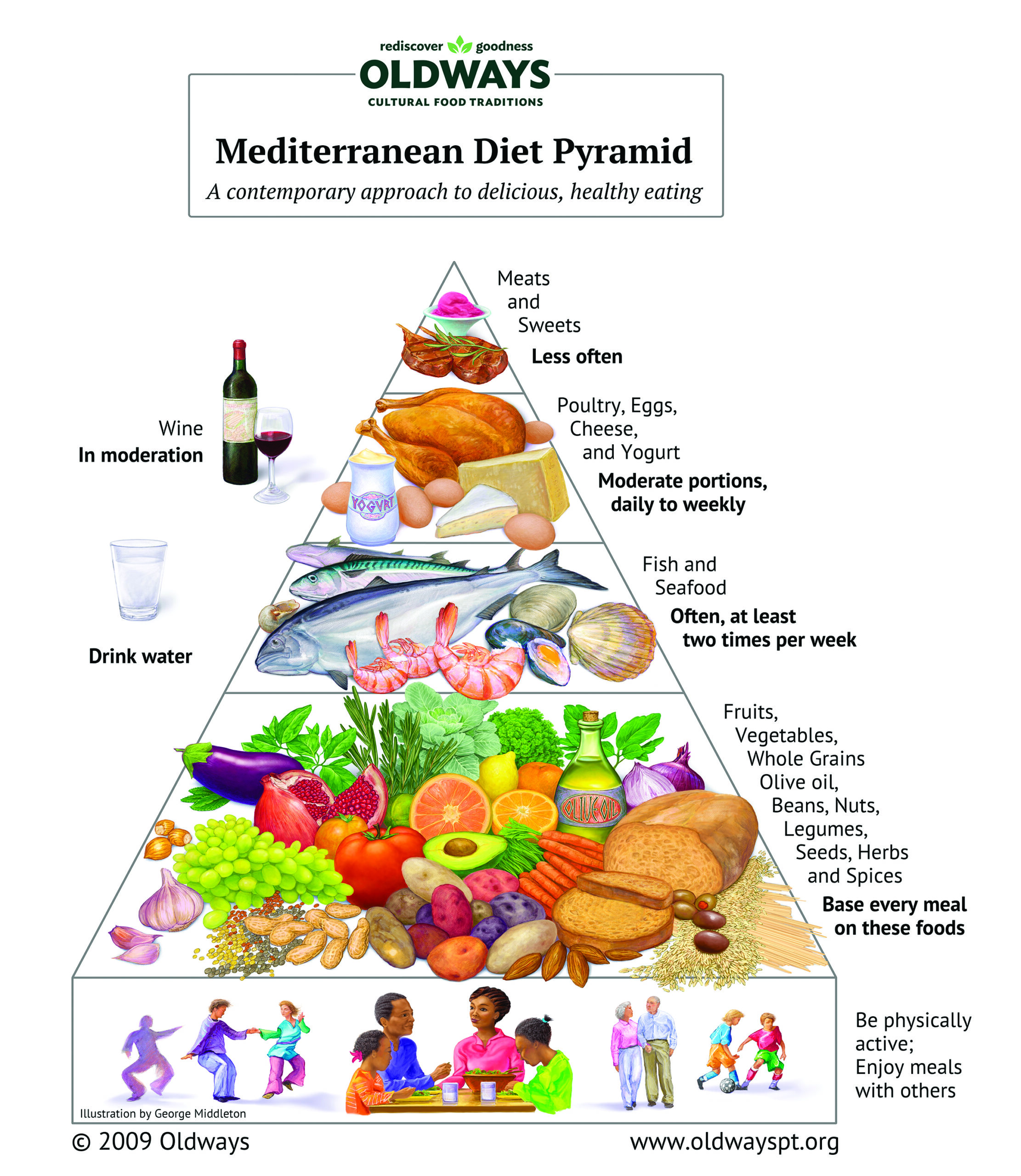
- The reason behind this diet is that people in the Mediterranean have been found to have far lower rates of cardiovascular disease than in western countries.
- This, of course, also makes the paleo diet “expensive and not nutritionally adequate diet with a high carbon footprint,” as the researchers concluded.
Paleo vs. Mediterranean Diet: Colorful Foods with Varying Flexibilities
The paleo diet adopts the primitive eating pattern of our ancestors in the Paleolithic age. Low- or no-carb diets, the DASH diet, the Atkins diet, the keto diet, the pagan diet, the Mediterranean diet, and the vegan diet are just some examples of popular diets to follow. However, the three most popular nutritional intervention regimens, namely, keto, paleo, and Mediterranean, are all the rage these days. According to the Mayo Clinic, studies suggested that the Mediterranean diet does reduce a person’s risk for cardiovascular diseases.
The Mediterranean Diet is another diet that has gotten popular in recent times. It follows a combination of the dietary patterns of the areas around the Mediterranean Sea, especially Greece, Southern Italy, and Spain. The reason behind this diet is that people in the Mediterranean have been found to have far lower rates of cardiovascular disease than in western countries. This is despite the fact that they have similar levels of fat consumption.
Key Food Comparison: Mediterranean vs. Paleo
At Pledge To Fitness®, we believe in a practical, science-backed approach to health and wellness. Our expert trainers and nutrition coaches create personalized fitness and nutrition programs tailored to your goals, ensuring a sustainable and effective plan that fits your lifestyle. Taken together, the new research on saturated fats gives us good reason not to add additional saturated fats to our diet in the form of ghee, palm oil, animal-based cooking fats, or even coconut oil.
Paleo vs Mediterranean Diet: Complete Health Comparison Guide 2025
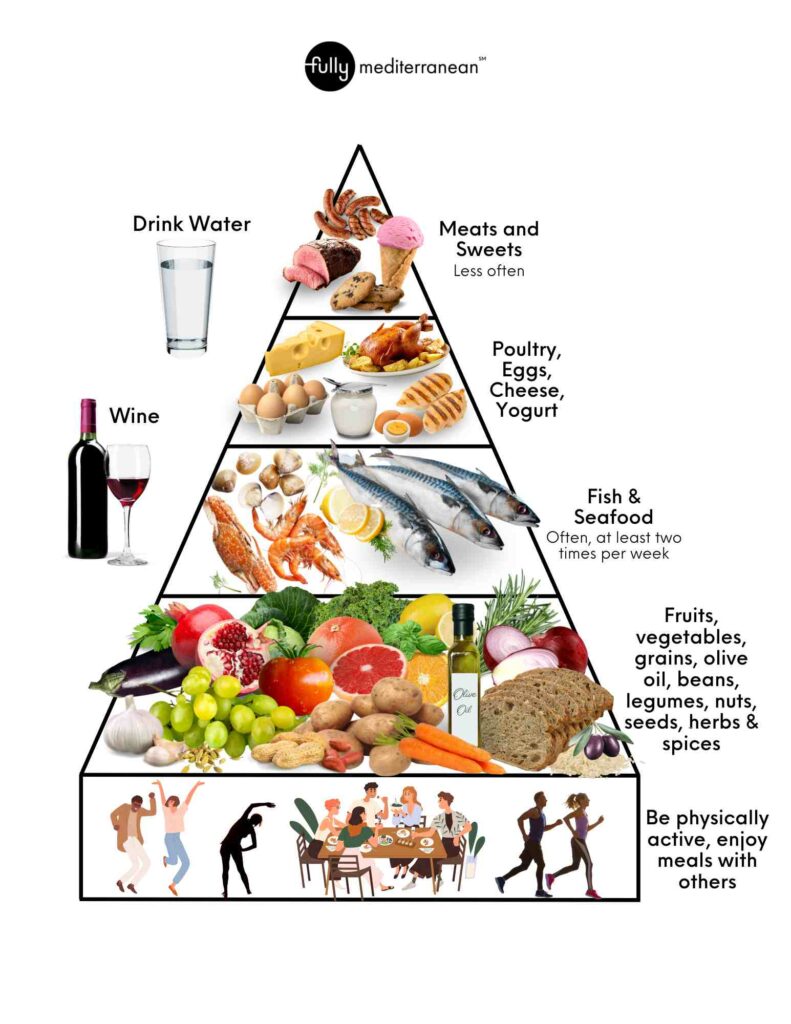
On the Paleo diet, healthy oils are allowed but more limited. Olive oil is on the list of approved oils, along with coconut oil and walnut oil. On the Mediterranean diet, however, olive oil is an essential element that is encouraged. Besides these qualities, the diet incorporates several other interesting aspects. For one, people on this diet are encouraged to use plenty of olive oil and to drink wine (in moderation).
What Is The Mediterranean Diet Food List?
These behaviors may indicate a disordered relationship with food or an eating disorder. Variety may help protect your health, since eating a lot of different foods ensures that you get all of the nutrients your body needs (27). Restrictive diets can increase your risk of engaging in disordered eating habits and can cause bingeing, according to decades of research. It can also lead to an unhealthy obsession with eating “clean,” known as orthorexia nervosa (23, 24). Dairy, whole grains, and legumes are not inherently unhealthy — in fact, they contain important nutrients like calcium, vitamin B12, iron, magnesium, zinc, and protein, to name a few.
FAQs: Understanding the Mediterranean and Paleo Diets
This diet comes to the fore in view of the various diseases that are deemed to be the result of consuming processed and refined foods. Long-term adherence to the paleo diet can be challenging due to its restrictive nature. A 2020 study published in the American Journal of Clinical Nutrition examined the effects of various diets, including the Paleo diet, on weight loss and maintenance over a 12-month period. This suggests that the restrictive nature of the Paleo diet may make it harder for individuals to sustain weight loss over time. Proponents of the Paleo diet argue that it offers a more ‘natural’ way of eating, reducing processed foods and sugars, which are linked to numerous health issues like obesity and diabetes. Since you’re eating whole foods on a paleo diet and avoiding processed foods, your weight will likely decrease.
Also, consult a healthcare provider before drastically changing your diet—and whole-grain pasta. Additionally, this type of diet can be difficult to sustain due to the lack of variety. So, talking to a doctor or nurse before making significant changes to your diet is essential. Yup, this means no bread (of any kind), rice, oatmeal, cheese, alcohol or even adding salt to season your meals. Natural sweeteners such as honey and maple syrup are also prohibited.
Prediabetes, type 2 diabetes, and glycemic control
This diet reduces the amount of red meat, such as beef or pork, in exchange for other sources of protein, such as fish, eggs, or poultry. The paleo diet encourages the consumption of red meat like beef and pork. Typically, these types of meat cost more than items like shrimp, chicken, etc. Does well against other diets in lowering blood pressure and cholesterol. Both the Paleo and Mediterranean diets have their merits and can lead to improved health outcomes. The choice between the two should be based on individual health goals, personal food preferences, and lifestyle considerations.
The Mediterranean Diet vs. Atkins — Which Is Healthier, and Why?
Specifically, TMAO — a metabolite derived from gut bacteria and a predictor for future risk of heart disease — was found to have increased. This could be from the lower overall fiber, since the paleo diet restricts legumes and whole grains (15). Regardless, a diet rich in whole grains and legumes — components of the Mediterranean diet — is shown to reduce heart disease risk and improve metabolic health outcomes (11, 12). The paleo diet can include lard, coconut oil, and butter as cooking oils, in addition to avocado and olive oil. The Mediterranean diet discourages saturated fats like lard, coconut oil, and butter.
FAQs About Mediterranean Diet vs Paleo
Mediterranean and paleo diets are touted for their health benefits, including potential weight loss. Below, you’ll find additional similarities between the two diet types. The paleo diet consists of foods that anyone living in the Paleolithic era would have access to, essentially any foods that they could hunt or gather. The foundation of the diet consists of lean meats, fish, produce, nuts, and seeds. Selecting the ideal diet for your lifestyle is made easier by fully understanding what each diet entails and the reason for pursuing each option.
Numerous studies have shown that the rate of heart disease in countries like Greece and Italy is significantly less than the rate of heart disease in the U.S. and Europe. Because of this, those concerned with heart health have shown much more interest in the Mediterranean diet. This type of eating focuses on food contained in the traditional cuisine of countries located along the Mediterranean Sea. The Mediterranean diet includes an array of nutritionally dense foods abundant in fiber, good fats, and other essential nutrients. The balanced mix of nutrient-rich foods makes the Mediterranean diet worth all the fame it has garnered. Although it is impossible to live like the early men, the paleo diet idolizes the eating habits of their times by eliminating the use of foods that have undergone modern processing.
The Truth About Ultra-Processed Foods: What Nutritionists Want You to Know
The Mediterranean diet dates back centuries as a dietary style rooted in the lives of people in and around the Mediterranean Sea. (14) This dietary approach has by far garnered the maximum https://my.clevelandclinic.org/health/treatments/22466-low-fodmap-diet support from individuals around the world due to its superlative abundance of nutrition. While studies of the Mediterranean diet and the Paleo diet have reported health benefits, there are some key differences to consider.

Leave A Comment