By implementing these practices, businesses can effectively manage outstanding checks and maintain accurate cash flow records. Accounting professionals understand the importance of keeping an accurate and up-to-date record of outstanding checks. This information is vital for financial reporting, budgeting, and decision-making. By accurately tracking and reconciling outstanding checks, businesses can maintain the integrity of their financial statements and ensure that cash outflows are properly accounted for. In conclusion, resolving outstanding checks requires effective communication with the bank, diligent tracking and follow-up, and a thorough reconciliation process. Taking a proactive approach to resolving outstanding checks not only helps maintain financial stability but also fosters a positive relationship with the bank.
Consider Alternative Payment Methods
By following these steps—reaching out to the drawer and requesting confirmation—you can efficiently resolve outstanding checks and avoid potential headaches related to delayed payments. When you write a check to pay for something, it’s like giving your bank an instruction to transfer funds from your account. However, sometimes this process can take longer than expected—a situation that leads to what we call an “outstanding check.” So, what does it mean when a check is not yet cleared? Essentially, it means the bank has received your check but hasn’t processed the transaction yet. First and foremost, it is crucial for businesses to understand that federal regulations dictate specific timeframes within which outstanding check meaning a bank can process checks.
- Contact the person or business you wrote the check to and explain the situation.
- An outstanding check is one that has been written by someone, but not yet deposited or cashed by the recipient.
- The payment goes on the general ledger, but businesses must make adjustments during reconciliation, and they may need to reissue stale checks.
- A check is considered “outstanding” when it has been issued but not yet cashed or deposited by the recipient.
- An outstanding check is a check that has been issued by the payer but has yet to be cashed or deposited by the payee.
Recording outstanding checks in your accounting system

These standards could impact the way a payee reports an outstanding check on their financial statements until it has been deposited and cleared. Maintain a Balanced CheckbookEnsure you maintain a balanced checkbook, keeping track of all checks written and deposits made. This can prevent false perceptions of account balances due to unresolved checks.
- Businesses can impose a policy requiring employees or recipients to deposit or cash their cheque within a specified time frame.
- But by handling the situation responsibly, you can minimize the damage and avoid any further legal problems.
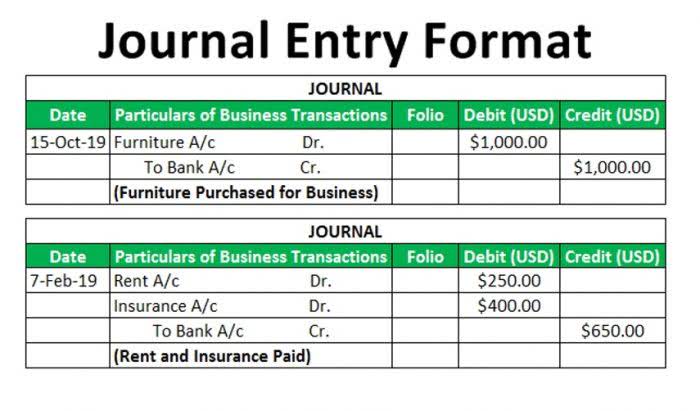
- She records the transaction in her accounting system by debiting rent expenses and crediting cash.
- Outstanding checks refer to checks that have been issued to a recipient but have not yet been cashed by the recipient or the recipient’s bank.
- This will help you identify any discrepancies and ensure that all outstanding checks have been accounted for.
financial ratios
If they are able to pay the debt, they may be able to make arrangements with the debt collector. You should also make sure to keep track of all communications with the debt collector, including phone calls and letters. By following these steps, you can successfully deal with debt collectors and get your financial situation back on track. Whether you’re a small business handling dozens of checks or a large corporation processing thousands, implementing robust reconciliation processes is essential.

- You can effectively manage your financial planning and resource allocation by forecasting the funds due.
- Delays in payment processing can occur because banks need to clear these checks before they become effective and are deposited in your account.
- It is important to remember that electronic transfer security measures must be put in place to prevent loss of funds.
- In case the payee decides not to use the check or loses it, it can become a stale check – a check that has expired due to various reasons such as being dated too far in the past.
- Once you write a check or sign a check over to someone, the onus is on them to deposit the check.
- It is important to regularly monitor your account and reconcile any outstanding checks to avoid these potential risks.
Outstanding checks are deposited into a bank account once they are deposited by the recipient and processed by the receiving bank. Unfortunately, the issuing individual or business does not have any way to force a check to be deposited. Following these steps helps maintain accurate financial records, prevents duplicate payments, and avoids confusion during reconciliation. One can track their outstanding checks and ensure payment as soon as possible. This way, they can keep their accounting records up-to-date and minimize complications related to these checks. Also, one can communicate with the recipient of the check to see if they have any issues with the check, say if the amount is incorrect.
A few years ago, an international scam involving over $25 million worth of uncashed cheques that were supposedly meant for Nigerian pensioners gained public attention. The scandal alerted businesses globally to be cautious while issuing checks and ensuring prompt follow-up on uncashed ones. It is crucial to understand the implications of having unpaid bills, delayed vendor payments or employee salaries. The most common risk is being charged penalties due to outstanding amounts Airbnb Accounting and Bookkeeping past their due date. This leads to decreased cash reserves which affects capital expenditure budgets. There’s also a risk of fraud if a check is lost or stolen before it’s deposited, as someone could alter the payee name or amount.
It’s possible that the bank could also decline to honor the outstanding check, as well. An outstanding check represents a payment that has been written but not yet cleared by the bank. In a double-entry accounting system, an outstanding check is considered a credit for the check writer, since credits record outgoing money. The funds have been earmarked to be deducted from their bank account, even though the actual cash hasn’t been withdrawn yet. Welcome to the world of accounting, where numbers rule and financial transactions must be meticulously tracked and recorded. One crucial aspect of accounting is managing outstanding checks, which can have a significant impact on a company’s financial records and cash flow.
Not Yet Cleared
In the bank reconciliation, outstanding checks are deducted from the balance per bank. Another consequence of outstanding checks is the negative impact it can have on an individual’s . When a check bounces due to insufficient funds, it can be reported to credit bureaus and appear online bookkeeping as a negative mark on the person’s credit report. This can lower their credit score and make it more difficult to obtain credit in the future.

Leave A Comment